 DON’T LEAVE MONEY ON THE TABLE, GET YOUR FREE CASE REVIEW TODAY!

Free Payout Estimates for Rear End Injuries
Rear End Injury Settlements Calculated by a Local Injury Lawyer

Checking is simple – Get an estimate in 60 seconds or less!
Checking is simple – Get an estimate in 60 seconds or less!

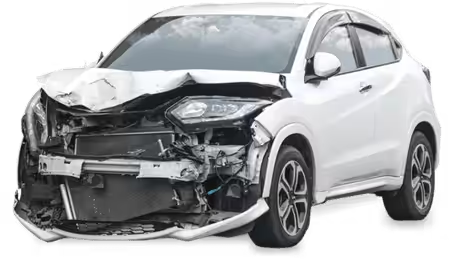
Don’t Let Insurance Companies Low Ball You
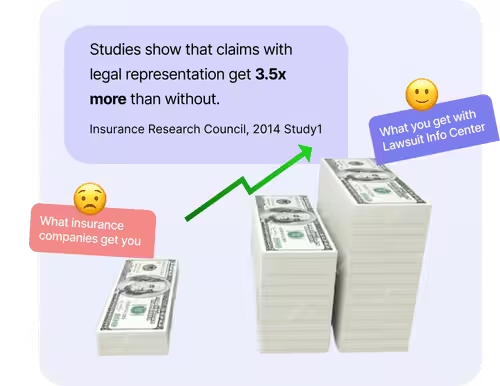
Insurance companies are experts at protecting their bottom line – not yours.
After getting rear ended, their goal is to pay out as little as possible. Without legal representation, it’s easy to accept their first offer, only to find yourself stuck paying out of pocket later.
Checking is simple – Get an estimate in 60 seconds or less!
Rear end injury compensation should account for more than just the basics.
You may be entitled to payment for:

Medical Bills
Current and future treatments, surgeries, therapy, and medications.
Lost Wages
Reimbursement for time
missed at work due to your injuries.
Property Damage
Repair or replacement costs for your vehicle and belongings.
Pain and Suffering
Compensation for the emotional and physical toll the car accident has taken on your life.
Long-Term Impact
Funds for ongoing care, reduced earning potential, or permanent disability.
Average Payouts for Rear End Injuries
By calculating your estimate with a real local lawyer, you get the peace of mind that you are being paid for what you deserve.
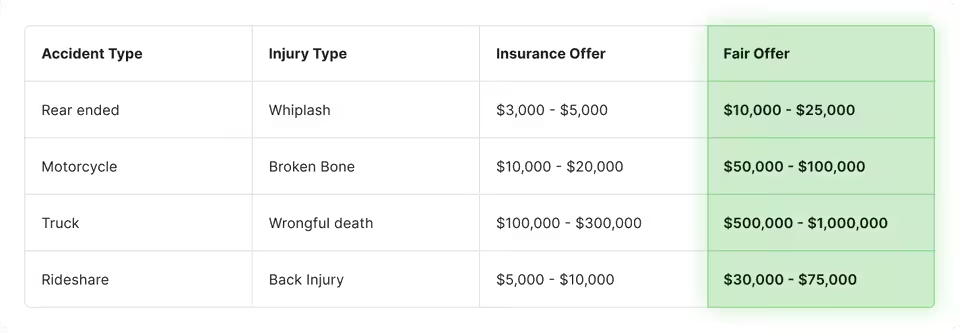
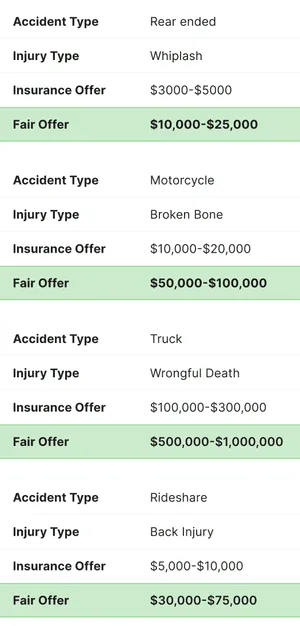
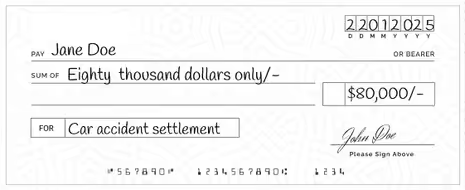
Here are examples of fair car accident settlement values compared to what you would typically receive from insurance.

Checking is simple – Get an estimate in 60 seconds or less!
How do rear end injury estimates work?
1
Answer a Few Quick Questions
Tell us about your auto accident and injuries in just 1 minute.
2
Calculate Your Injury
Estimate your settlement’s payout with help from a real local lawyer.
3
Maximize Your Compensation
Evaluate legal representation to maximize your payment compared to insurance offers.

Get your free case review today and let us help you get what’s rightfully yours.
Don’t Wait! You May Be Leaving Money On The Table!
Frequently Asked Questions
Yes. A low-speed rear end accident can still cause soft tissue injuries like whiplash. The key is proving the injury and the impact. Compensation is usually tied to medical documentation, treatment consistency, and how long symptoms lasted. A low-speed rear end accident claim can still have value if records clearly show diagnosis, treatment, and limitations like missed work or restricted activity.
A rear end accident claim often depends on treatment length. If injuries resolve quickly and documentation is complete, the claim may move faster. If therapy continues for months or symptoms remain, the rear end accident claim can take longer because costs are still adding up and the recovery outcome is unclear. Claims also take longer when records are incomplete or when there are disputes about fault or pre-existing conditions.
A rear end accident settlement can vary widely. The biggest drivers are medical costs, recovery time, and missed work. A rear end accident involving a short course of treatment may fall into a lower range than one involving months of therapy, imaging, or ongoing symptoms. Another factor is how well the injury is documented. If your records show consistent pain, consistent treatment, and clear work impact, the rear end accident settlement range is usually easier to support.
Rear end accident injuries commonly include whiplash, neck strain, back pain, headaches, shoulder pain, and sometimes numbness or tingling. Symptoms can be delayed, which is why early evaluation matters. A rear end accident can also aggravate older injuries, and that should be documented carefully in medical notes. The clearer the diagnosis and treatment plan, the more straightforward it is to estimate value.
Even if symptoms feel minor, document everything. Take photos, get the incident details, and consider medical evaluation if pain starts or increases. Rear end accident symptoms can get worse over the next few days, especially stiffness and headaches. If you wait too long, it can be harder to show the injury is related to the crash. A short checkup and clear notes can protect the record if symptoms continue.
In many rear end accident cases, the driver who hit from behind is considered at fault because drivers are expected to leave enough distance to stop safely. But each rear end accident is still reviewed based on facts like road conditions, sudden stops, and evidence from the scene. Police reports, photos, witness statements, and vehicle damage patterns can all help clarify fault. Clear liability can also affect how smoothly a claim moves.